
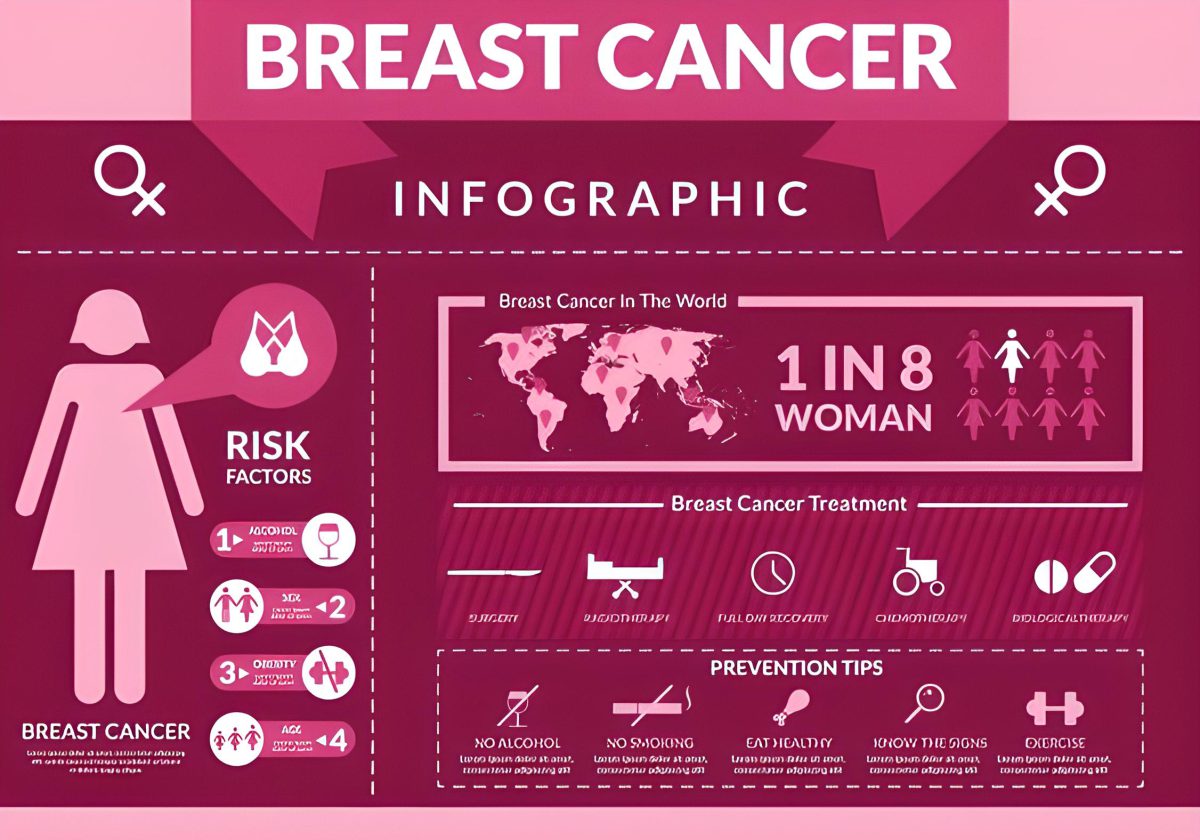
Breast Cancer Risk Factors
Breast cancer is one of the most common types of cancer in women and affects millions of women worldwide. Besides genetic factors, breast cancer is also associated with environmental and lifestyle factors.
Gender and Age: Breast cancer is much more common in women than in men. In addition, the risk of breast cancer increases with age. Women over the age of 50 are at higher risk of breast cancer.
Family History: Women who have first-degree relatives (mother, sister, daughter) with breast cancer should be careful about the possibility of being at risk of breast cancer. Women with a family history of breast cancer can assess their risk of hereditary breast cancer by receiving genetic counseling.
BRCA Gene Mutations: Mutations in the genes called BRCA1 and BRCA2 increase the risk of breast cancer.
History of Breast Cancer: Women who have previously been diagnosed with breast cancer are at higher risk of breast cancer than other women.
Exposure to High-Dose Radiation: Exposure to high-dose radiation at a young age can increase the risk of breast cancer. In particular, radiotherapy to the chest wall during childhood and adolescence can increase the risk of breast cancer in the long term.
Hormone Therapy and Birth Control Pills: Long-term hormone therapy or the use of birth control pills may increase the risk of breast cancer.
Alcohol Consumption: Regular and excessive alcohol consumption can increase the risk of breast cancer. Therefore, limiting alcohol consumption or, if possible, quitting will be beneficial for your health.
Obesity and a Sedentary Lifestyle: Obesity and a low level of physical activity are among the factors that increase the risk of breast cancer. It is important to maintain a healthy weight and exercise regularly.
Menopausal Status: Late entry into menopause may increase the risk of breast cancer.
Hormone-Containing Foods and Chemical Exposure: The consumption of hormone-containing foods and exposure to certain industrial chemicals are among the environmental factors that may increase the risk of breast cancer.
Remember that breast cancer risk factors can differ in every woman and the presence of a single factor does not mean that you will develop breast cancer. However, knowing the risk factors and making conscious health choices can increase the chance of early diagnosis and treatment of cancer.


