
MAMMOGRAPHY
Breast cancer is one of the most common types of cancer among women. Early diagnosis is a critical factor that increases the treatability of the disease. At this point, a method called mammography stands out as an important step for the early diagnosis of breast cancer.
Current information about mammography:
The Importance of Early Diagnosis: Mammography is one of the most effective methods used for the early diagnosis of breast cancer. Breast cancer detected at an early stage can be treated more successfully. Regular screening with mammography makes it possible to catch abnormalities in the early stages of cancer and increases the chance of starting treatment.
A Safe and Effective Method: Mammography is a safe and effective screening method. It uses low-dose X-rays that expose the breast tissue to radiation. This method is carried out by radiologists specialized in the detection of breast cancer, and quality equipment is used to obtain sensitive results.
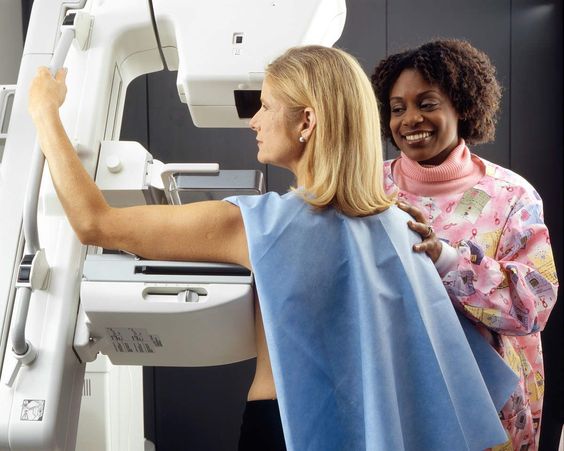
A Quick and Comfortable Procedure: Mammography is generally known as a quick and comfortable procedure. It is a screening method performed by compressing the breast tissue. Compression is done to obtain clearer images and to better observe signs of cancer. The procedure usually takes a few minutes and passes with a slight feeling of discomfort for most women.
Save Lives with Early Diagnosis: Early diagnosis with mammography can make a big difference in the treatment of breast cancer. Cancer caught at an early stage has a higher chance of treatment because it is smaller in size and has not spread. Regular mammography screening helps catch changes in the early stages of cancer and stands out as an important step on the way to a healthy future.
Care About Your Own Health: Knowing the risk factors of breast cancer and keeping up with regular mammography screening shows the value you place on your own health. Depending on your age, family history and other risk factors, you can determine your mammography screening plan together with your doctor.
Remember, your health is your most valuable asset.


